
London: Does Your Location Increase Risk?
The nature of a business is an important part of its risk profile, but its location can be equally significant.
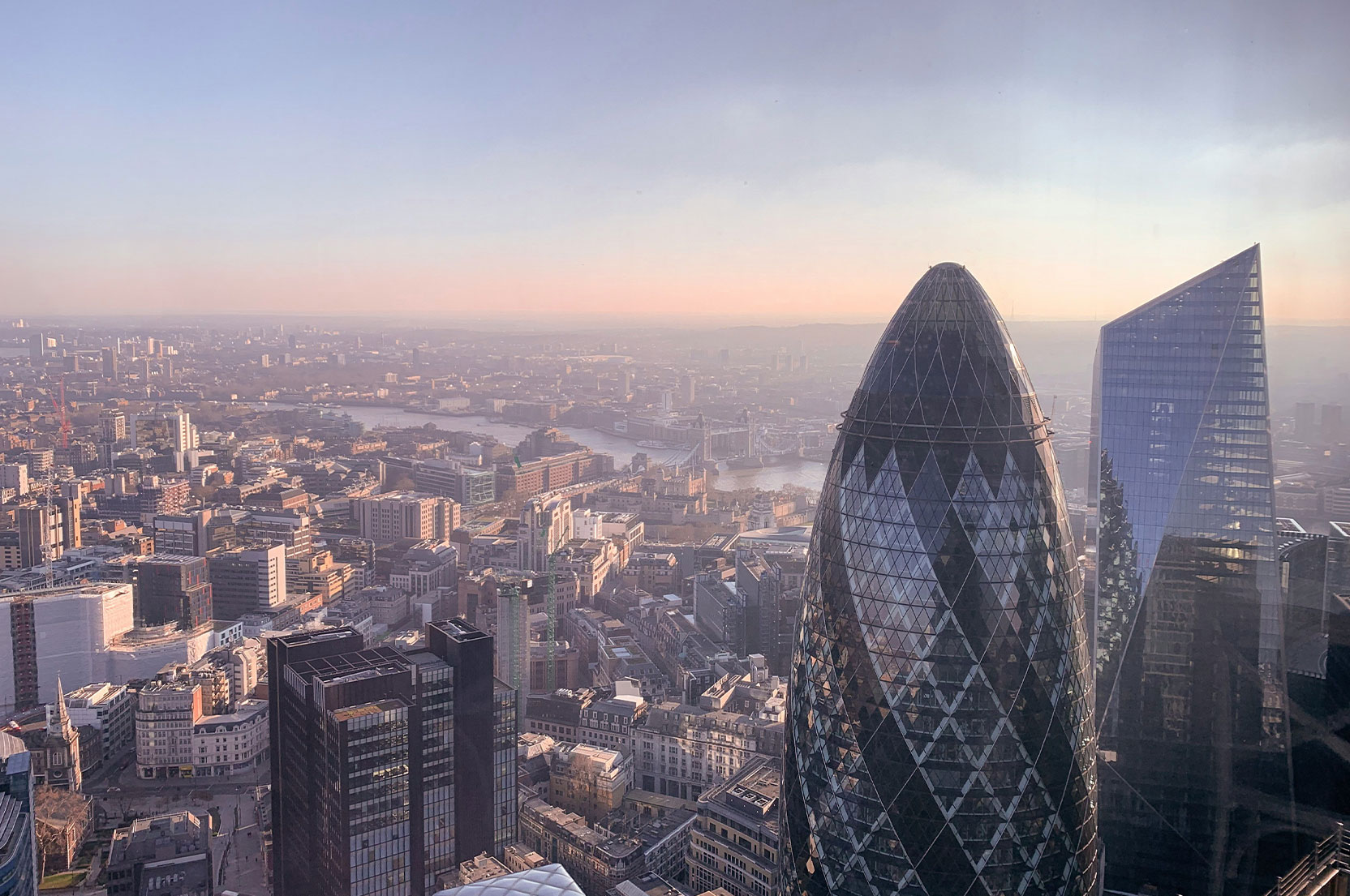
This is particularly relevant in London, where businesses often operate close to homes, commercial property, railway lines, underground infrastructure, strategic roads and public spaces. A serious incident at one premises can therefore create consequences across a much wider and highly connected area.
Understanding what surrounds a business can help it assess the possible severity of an incident, strengthen its continuity arrangements and determine whether its insurance protection remains adequate.
What is located around your premises?
Businesses generally understand the risks created by their own operations. They may have considered combustible materials, machinery, vehicle movements, hot works, electrical equipment and site security.
However, the surrounding environment can substantially alter the potential consequences of an incident.
London businesses should consider whether their premises are located close to:
- Railway or Underground lines.
- Major roads, tunnels or important junctions.
- Residential buildings.
- Schools, hospitals or care facilities.
- Retail, hospitality or leisure destinations.
- Warehouses and industrial operations.
- Utility infrastructure.
- Ports, airports or waterways.
- Densely occupied commercial property.
The closer a business is to infrastructure or highly occupied areas, the greater the potential for fire, smoke, pollution or emergency service activity to affect others.
Location can influence the severity of a loss
Two businesses carrying out similar activities may present very different overall exposures because of where they are located.
A fire at an isolated site may largely affect the business directly involved. The same type of incident at premises beside a railway line, major road or densely occupied building could lead to transport closures, evacuation, loss of access and claims from several third parties.
Recent fires at waste facilities in London have demonstrated this wider effect. During the August 2026 fire at Landman Way in Deptford, nearby railway lines were closed as a precaution while approximately 100 firefighters responded.
The incident does not mean that businesses located near transport infrastructure will automatically be responsible for every resulting loss. It does, however, demonstrate why proximity should be considered when assessing potential exposure and selecting appropriate insurance limits.
How could an incident affect your neighbours?
Neighbouring occupiers may be affected even if fire does not spread directly into their premises.
Smoke could make a building temporarily unsafe or unsuitable for occupation. Emergency services could establish a cordon, roads might be closed and customers or suppliers could be unable to gain access.
Where buildings share walls, service yards, access roads or utility supplies, the potential for disruption may be even greater.
Businesses should understand the nature of neighbouring activities as well as their own. A neighbouring occupier may store combustible materials, charge batteries, operate machinery or carry out processes that increase the likelihood or potential severity of a fire.
Risk can travel in both directions. Your activities may affect your neighbours, but an incident at their premises could also prevent your own business from operating.
The importance of Public Liability limits
A major incident could potentially result in damage, injury or disruption affecting several different third parties.
Businesses should therefore consider whether their Public Liability limit of indemnity reflects a genuine worst-case scenario rather than simply following the amount selected in previous years.
Questions worth asking include:
- Could an incident spread to several neighbouring properties?
- Could members of the public be affected?
- Is the business close to high-value property?
- Could fire, smoke or debris affect important infrastructure?
- Have the surrounding area and neighbouring occupancies changed?
- Would the current limit be sufficient for a complex, multi-party claim?
The appropriate answer will vary between businesses. The important point is that limits should be selected following a considered assessment of the exposure.
Could your business continue without access?
Location also affects Business Interruption risk.
London businesses are particularly dependent on transport connections, access routes, deliveries and the movement of employees and customers. An incident that closes a road, railway station or surrounding area can create significant disruption even when the business premises remain undamaged.
The London Resilience Partnership advises businesses to prepare for denial of access caused by events including fire, flooding and road closures. Suggested measures include establishing alternative working locations, creating communication procedures and considering how supply chains would be affected.
A continuity plan should consider:
- Whether employees can work remotely or from another location.
- How customers, suppliers and staff will receive updates.
- Whether deliveries can use an alternative entrance or route.
- Which activities must be restored first.
- How long the business could operate without its usual premises.
- Whether key records and insurance information can be accessed remotely.
- Whether Business Interruption cover includes relevant extensions.
- Look beyond the postcode
A risk review should involve more than recording the address of the premises.
Businesses should regularly consider what lies around the site, how the surrounding area is changing and how an incident could affect nearby organisations, infrastructure and communities.
For London businesses, where premises and transport networks are often closely interconnected, this wider view can be especially important.
TMD Insurance Group can help organisations assess their location-based exposures and review whether their insurance and business continuity arrangements remain appropriate.
Find out more about our Major Incident Risk & Business Resilience
Sources
London Fire Brigade - Assessment of Risk for London 2026
Mayor of London - London Risk Register
City of London Corporation - Safety and Contingency Planning
London Fire Brigade - Living Above Business Premises Fire Safety Guide